How to Fly in Build a Car to Go Far
Wings, propellers, jets, and post-update flight controls for longer maps and new biomes.
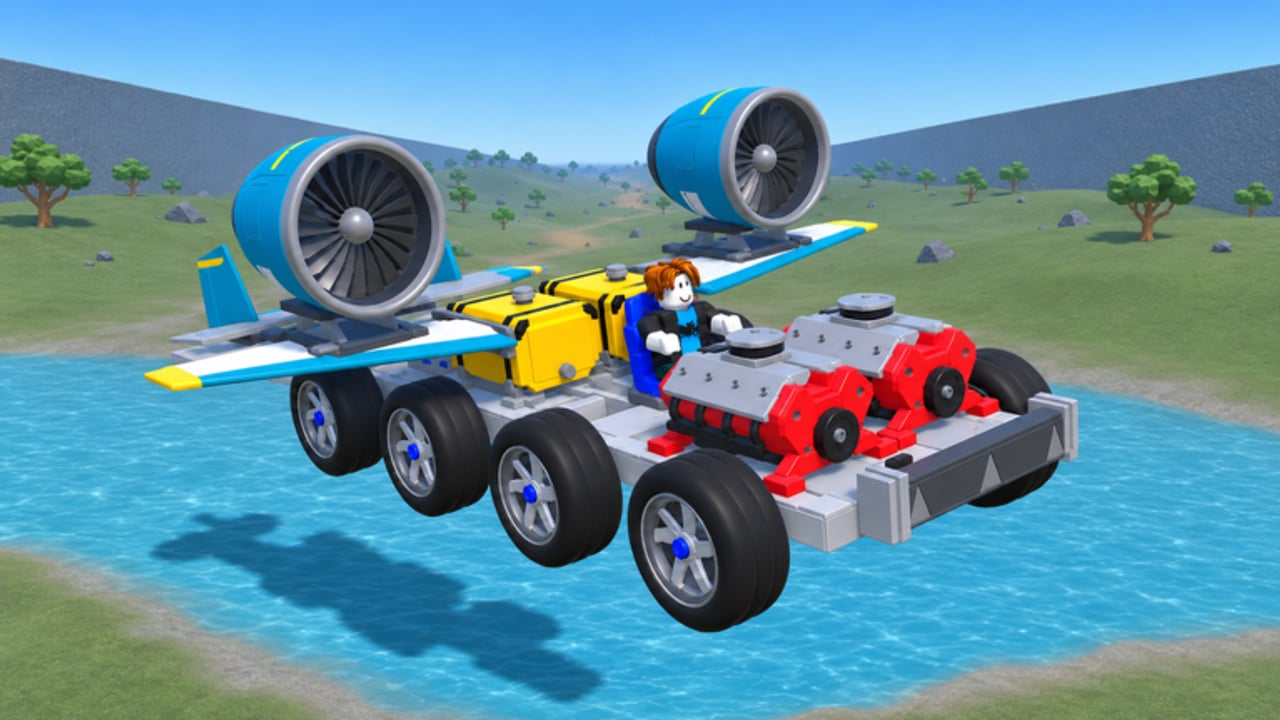
Flight turns Build a Car to Go Far from a pure ground distance game into a hybrid vehicle sim. After the flight update, you can equip new propeller and jet engines, open airplane engine crates, explore a longer map with new biomes, and use updated flight controls with better load and performance. This guide explains when flying beats driving, how to assemble a controllable flyer, and how to use air routes without burning your entire coin stash on failed launches.
Ground mastery still comes first. If your garage car cannot complete clean paid runs, fix that with Getting Started and How to Build before investing heavily in wings.
What the flight update changed
The update package players care about most:
- New propeller and jet engines for sustained or high-thrust air travel
- Airplane engine crates as a dedicated roll path for flight powerplants
- Longer map with new biomes that reward altitude and efficient routing
- Updated flight controls plus load and performance improvements
- Better fuel tanks on the roadmap — plan mount space now, buy when they ship
Treat flight as a progression layer on top of the classic loop (build, drive, coins, crates), not a replacement for it. Offline earnings still matter; a grounded AFK earner can fund your next wing set while you sleep. See Offline Earnings.
Core flight parts
Wings provide lift and stability. Mount mirrored pairs so both sides generate similar lift. Angled or single-side wings induce rolls. Keep wing mass reasonable—oversized wings that barely clear the garage door often fight the engines instead of helping.
Propellers shine for controllable, efficient climbs and cruises. They pair well with players who want to learn pitch control without instant rocket acceleration. New propeller engines from the update belong on dedicated airframes more than on heavy brick cars.
Jets deliver stronger forward thrust for fast crossings of the extended map. They punish bad alignment: offset jets yaw or roll the craft. Center thrust lines through the middle of the build.
Rockets remain burst tools. Use them to escape stalls or punch through a tough segment, not as your only propulsion. Crate priority for rockets versus airplane engines is covered in Crates and Rockets.
Fuel decides whether a beautiful flyer is a commute or a lawn dart. Air builds often burn faster than ground cars. Until better tanks arrive, carry honest capacity and cut dead weight.
Building a first flyer
Start from a light chassis you already trust:
- Keep a low seat and short frame.
- Add symmetrical wings before max thrust.
- Install one propeller or jet path on the centerline.
- Confirm fuel capacity for a medium attempt, not a hope-and-pray hop.
- Test hover or short hops near the start before committing to a full biome run.
Remove ground-only clutter that adds drag. Wheels can stay for takeoff and emergency landings, but huge off-road wheels may fight lift. Save the ground money car separately so a crashed experiment does not wipe your economy.
Flight controls after the update
Updated flight controls make aerial steering more responsive, but device differences still matter. Read Controls for keyboard, mobile, and controller specifics. General habits that transfer everywhere:
- Make small pitch inputs; over-pulling stalls many beginner wings
- Level the craft before adding throttle after a turn
- Watch fuel while climbing—vertical flight burns distance budget quickly
- Abort early if the build rolls past recovery; rebuild beats rage retries
Performance and load improvements from the update help denser flyers spawn and run more smoothly, but they do not erase physics mistakes. A symmetrical light craft still wins more often than a laggy brick palace.
When to fly vs drive
Drive when:
- You are farming early coins or testing crate engines
- Your fuel economy on wings is worse than on wheels for the same route
- You need a reliable offline earner without crash risk
- You are learning a new engine on a familiar chassis
Fly when:
- Ground obstacles or terrain slow your personal best
- You are pushing into farther biomes on the extended map
- You have airplane-crate engines that outperform your road setup in air
- Co-op friends are already airborne and you want shared routes
Hybrid routes work too: drive the opening stretch, then climb once speed and altitude help more than tire traction. Hybrid designs need clean transitions—wings that scrape on takeoff or jets that point into the dirt waste the best of both modes.
Biomes and aerial routing
The longer map introduces new biomes meant to be explored, not skipped blindly. From the air you can often choose cleaner lines over rough ground, spot landing zones, and chain distance through sections that punish low cars. Learn one biome transition at a time. Note where fuel checkpoints in your plan should be—meaning, know how much tank you need before you leave the previous safe segment.
Do not assume every biome is only reachable by air. Some stretches still favor stable ground builds. Use flight to open options, then compare coin-per-minute against your best driver. The Tier List should eventually reflect which air engines and wing setups are meta for current biomes; update your keepers after each major patch listed on Updates.
Co-op flight sessions
Online co-op (server size 10) is excellent for flight practice. One player flies while another watches for roll, stall, or fuel panic. Swap builds between friends to feel how different propeller and jet setups handle. Agree on a no-delete money car on the ground before anyone converts the shared garage into a jet museum.
Failure patterns to fix fast
- Immediate roll after takeoff — asymmetric wings or offset jets
- Nose vertical then stall — too much pitch, not enough speed or wing area
- Great climb, zero distance — fuel spent on altitude instead of forward travel
- Unflyable after a crate upgrade — new engine thrust changed balance; retune mounts
- Crash loop bankrupts you — stop, restore the ground earner, fund the next attempt with offline coins
Related guides
- How to Build — balance and mass fundamentals
- Crates and Rockets — airplane crates and boost parts
- Controls — device-specific flight inputs
- Getting Started — when flight belongs in the early curve
Fly with a plan: lift first, thrust centered, fuel honest, biomes one segment at a time. That is how the flight update becomes extra distance instead of expensive fireworks.
Frequently Asked Questions
Quick answers to the most common questions.
What did the flight update add?
New propeller and jet engines, airplane engine crates, a longer map with new biomes, updated flight controls, and load/performance improvements. Better fuel tanks are marked as on the roadmap.
Should beginners fly immediately?
No. Earn consistently on the ground first. Flight parts add mass and control demands. Use early coins for fuel and a solid engine, then graduate to wings.
Propellers or jets first?
Propellers are usually easier for learning control and efficient cruising. Jets suit faster crossings once you can keep thrust aligned and fuel topped up.
Can I still drive after unlocking flight?
Yes. Many farming and offline setups stay on wheels. Fly when air routes beat ground coin rates for your current parts.
Why does my plane roll or stall?
Check mirrored wings, centerline thrust, and gentle pitch inputs. Over-pulling or offset jets cause most early crashes. Rebuild light and retest in short hops.