Build a Car to Go Far Flight Update Explained
New air parts, a longer map, and what to change in the garage after the November 2026-era drop.
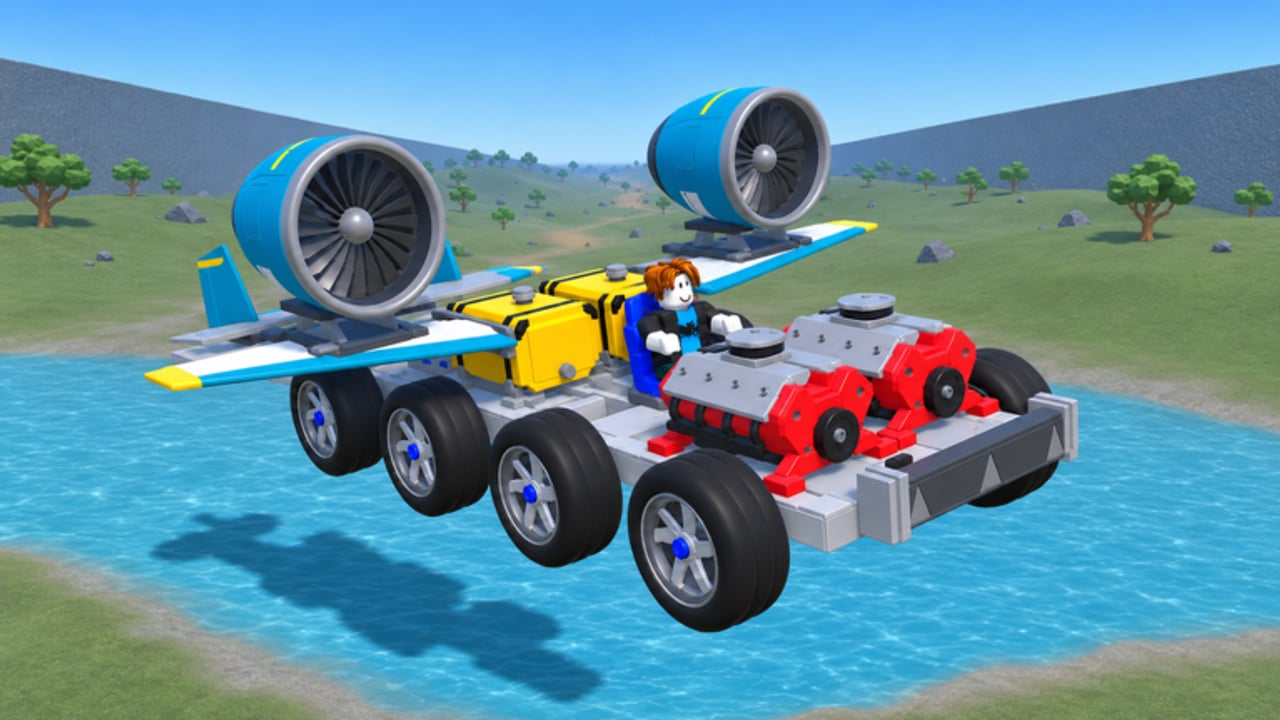
The Flight Update is the biggest post-launch shift for Build a Car to Go Far since Runworks released the place on September 8, 2026. Before this drop, most players optimized for ground distance: sturdy wheels, a reliable engine from crates, maybe a rocket for a burst, then a long drive for coins with offline earnings ticking while you were away. After the update, the same garage loop still funds progress, but propeller engines, jet engines, airplane-oriented crates, and a much longer map with new biomes make air travel and extended routes part of the default meta. This page explains what shipped, how to use the new parts, what the map changes mean, and how to rebuild without wasting coins.
What the Flight Update added
New propeller and jet engines. Propellers favor controlled lift and steadier air time for players who want to skim biomes without burning everything in one burst. Jets push harder and reward clean throttle and fuel discipline when you are trying to clear long gaps or climb quickly. Both belong in the same decision space as classic ground engines: open crates, compare thrust and fuel cost, and match the part to the run you actually want to take.
Airplane engine crates. Crate tables expanded so flight-focused engines show up in dedicated airplane-style rewards instead of only recycling the old ground pool. That matters for spending strategy—if you still dump every coin into pre-flight crates, you may miss the parts that define the new distance ceiling. Pair this page with Crates and Rockets when you plan the next spend.
Much longer map with new biomes. The road is no longer a short loop you memorize in one afternoon. New biomes stretch the run, change visual landmarks, and punish builds that were only tuned for early terrain. Expect to re-learn safe landing strips, fuel checkpoints in your own mind, and when to stay low versus climbing for a cleaner line.
Updated flight controls. Lift, pitch, and throttle feel different enough that muscle memory from a casual wing slap before the update will fail. Practice short hops near the start before you commit a full tank to a record attempt. The How to Fly guide walks through practical control habits after the refresh.
Load and performance improvements. With up to 10 players in a server and co-op crews assembling cars together, smoother load behavior helps crowded garages. You still want tidy part counts for stability, but the update reduced some of the hitching that made late-session builds painful.
Better fuel tanks on the roadmap. Runworks signaled improved fuel tanks as a follow-up, not as a live guarantee on day one of the Flight Update. Plan current runs around existing tanks and efficient engines; do not delete a working setup solely because a future tank was teased.
How to use the new flight parts
- Secure a seat and a stable chassis first. Flight parts do not fix a car that detaches wheels or tips on takeoff. Run the garage half of the Build Checklist before you hang wings or jets.
- Pick propeller vs jet on purpose. Propellers for learning and longer efficient glides; jets when you already understand fuel burn and want speed or climb. Compare options on the Engines Tier List instead of buying the flashiest crate pull blind.
- Balance lift against weight. Extra wings help, but stacking heavy engines without enough lift or control surfaces turns takeoff into a cartwheel. Keep mass centered and test short flights after each major add.
- Treat rockets as tools, not the whole plan. Rockets still matter for bursts and recovery, but the Flight Update is about sustained air capability. Read Crates and Rockets so rockets complement engines instead of replacing them.
- Relearn the throttle after the control update. Feather power on climb, level out early over new biomes, and leave a reserve to land near a useful stretch of road rather than ditching in unfamiliar terrain.
Map biomes and distance mindset
The longer map rewards patience. Early biomes still teach basic driving and let new players earn coins, but the new segments are where flight builds pull ahead. Use landmarks to mark fuel stages: if you always flame out at the same visual cue, either upgrade efficiency or plan a controlled landing and a second push. Co-op pairs can split duties—one player watches fuel and part integrity while the other flies—covered in more depth on the Co-op page.
Ground-only cars are not dead. They remain excellent for learning, for offline-friendly simple builds, and for players who prefer stable wheel runs. The Flight Update simply raises the ceiling: if your goal is leaderboard-style distance, ignoring propeller and jet options leaves coins on the table.
Tips for the first week after the update
- Do one cheap practice airframe before investing everything into a jet.
- Redeem any active promos on the Codes page; drops often pair with gift codes.
- Re-check the Tier List Hub and especially Engines after you open a few airplane crates so you know what to keep.
- If friends share a server, agree who builds and who drives before takeoff—midair editing is how cars fold.
- Watch Social Links on the Roblox game page for Discord notes if controls or crate odds get a hotfix.
- Return to this Updates Hub and the Guides Hub whenever a follow-up (like better fuel tanks) actually ships.
Rebuild priority after Flight Update
Must review: primary engine choice, presence of wings or jets, flight control comfort, fuel plan for the longer map. Should review: rocket usage, wheel attachment quality for takeoff and landing, co-op role clarity. Can wait: cosmetic garage polish and speculative rebuilds for unreleased fuel tanks.
New players who joined after the Flight Update should still start with Getting Started, then skim this page so they understand why the garage shows airplane crates next to classic engines. Veterans who last played a pure ground meta should treat the Flight Update as a soft relaunch of their progression plan: keep earning offline coins, but aim the next crate budget at air-capable parts and practice with How to Fly before chasing a personal best.
Related reading
- How to Fly — controls and takeoff habits after the refresh
- Engines Tier List — propeller, jet, and ground engine priorities
- Crates and Rockets — spending and burst tools
- Build Checklist — pre-drive and pre-flight lists
- Updates Hub — index of patch write-ups
Stay flexible. The Flight Update proved Runworks will extend the map and propulsion model; the players who adapt garage priorities quickly are the ones who keep converting distance into coins while everyone else is still debugging a tip-over on the runway.
Frequently Asked Questions
Quick answers to the most common questions.
What engines did the Flight Update add?
New propeller and jet engines, with airplane-oriented engine crates. Compare them on the Engines Tier List and learn flight habits in How to Fly.
Did the map change in the Flight Update?
Yes. The map is much longer and includes new biomes, so fuel planning and landing spots matter more than on the early ground route.
Are better fuel tanks in the game already?
They were announced as on the roadmap after the Flight Update. Build around current tanks and efficient engines until that follow-up actually ships.
Should I abandon my ground car?
No. Ground builds still earn coins and teach basics. Add flight parts when you want longer runs; use the Build Checklist before mixing lift and wheels.